Water resistant
- Fabric
- Tightly woven, with a water-repellent finish called DWR that makes water bead and roll off.
- Membrane
- Usually none.
- Seams
- Usually not sealed.
- Good for
- A drizzle or a short shower.
Two jackets can both say they keep the rain out and behave very differently after an hour of steady rain. The label gives only part of the answer. This guide explains the words and numbers on a jacket tag and how our rankings turn them into a score. We build scores from manufacturer specifications, independent reviews and owner reviews, and we do not test products in person.
Our outer layer rankings include only jackets with real waterproofing, so a jacket that is only water resistant does not appear in them.
Outside
Inside the jacket
mm
It describes how tall a column of water the fabric holds back in a lab before it leaks, so a 10,000 mm fabric holds back a column ten meters high. A higher number means more protection.
The stated figures in the cycling tests we read run from 5,000 mm to 28,000 mm.
g/m²
It is given in grams per square meter per day. It describes how much water vapor from your sweat passes out through the fabric. A higher number lets sweat escape more easily.
Brands run these tests themselves, and the methods differ, so figures from two brands are not always comparable. Some of the independent tests we read do not publish lab figures at all. That is why we also use what reviewers and owners report. A rating on this site is our assessment of that evidence, not a lab result.
A stitched seam is a row of small holes, so a jacket needs taped seams to keep water out where the panels join. One cycling test we read described a jacket with a 5,000 mm rating and untaped seams as about half as waterproof as it needs to be.
The finish on the outside wears off with washing and use. When it fails, the outer fabric soaks up water and goes dark, which is called wetting out. The membrane underneath may still hold, but the jacket feels wet and breathes worse. Some reviewers in the tests we read report jackets that wet out at the shoulders or start to soak through after about an hour of heavy rain. We take points off for that whatever the label says.
A jacket that keeps rain out but holds in your sweat leaves you wet from the inside. This is how our outer layer rankings split the score.

You warm up fast, so breathability and a low weight count for a lot.
See running jackets
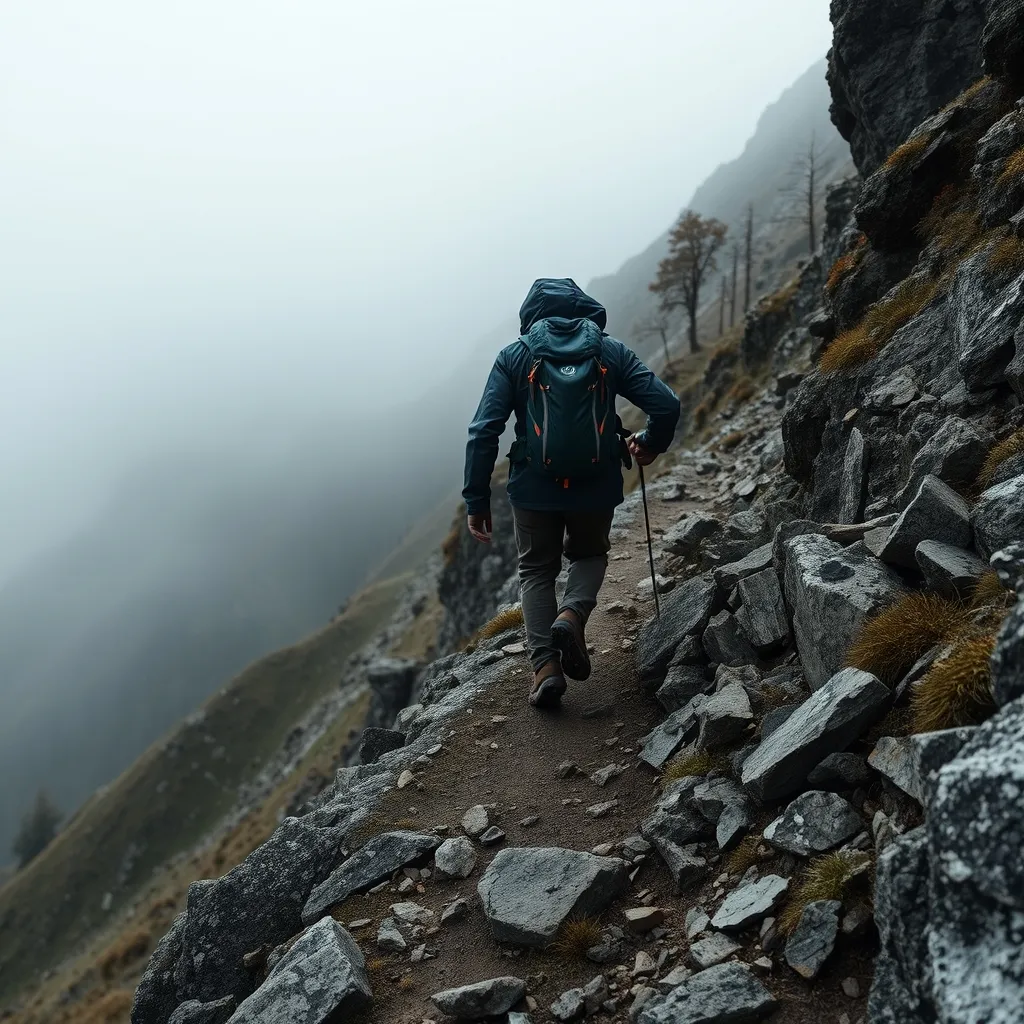
Rain can last all day and a pack presses on the shoulders, so waterproofing and the durability of the outer fabric count for a lot.
See hiking jackets
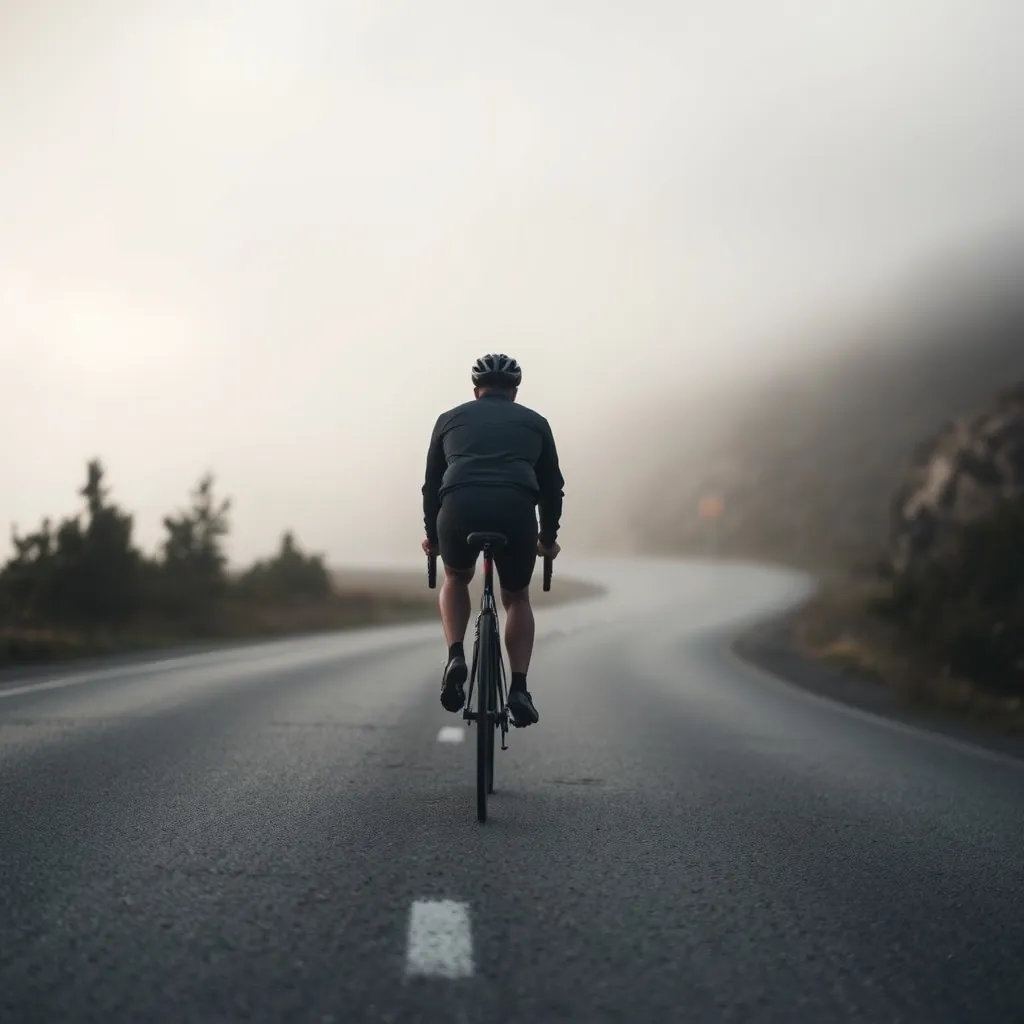
Look at the fit while you lean forward, and at the seams, because spray from the road adds to the rain.
See cycling jackets
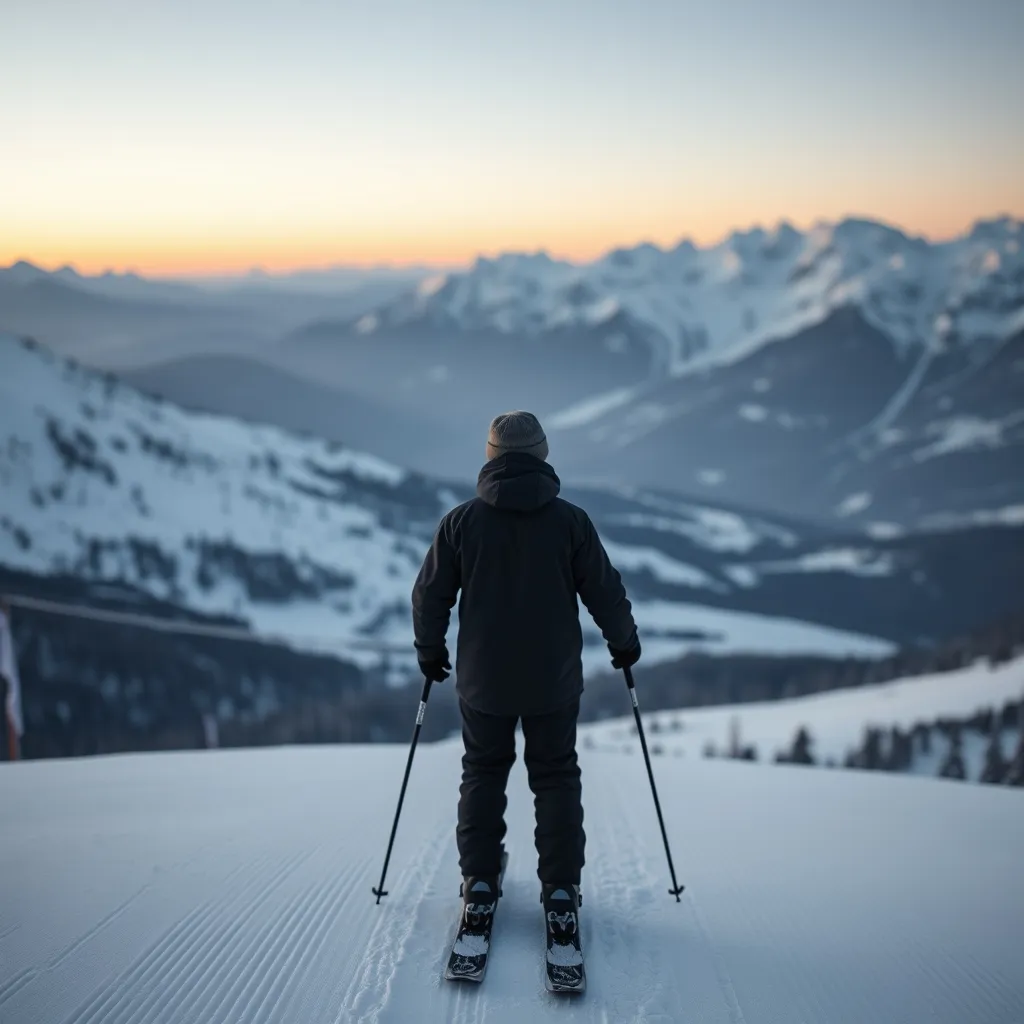
Wet snow and lift rides call for a jacket that keeps moisture out. Ski jackets are ranked in their own price ranges, which start higher than the ranges for the other sports.
See ski jackets
Every sport has its jackets ranked in three price ranges. Pick your sport and start from the budget you have.
To see how we turn evidence into a rating, read how we score. For the full picture of base, mid and outer layers, read how to layer.